Category: Language:English
-
Dark Matter Schools program in Australia
The program aims to create a network of partner schools to address regional schools’ geography and resource limitations. It offers great opportunities to inspire students and provide relatable role models.
-
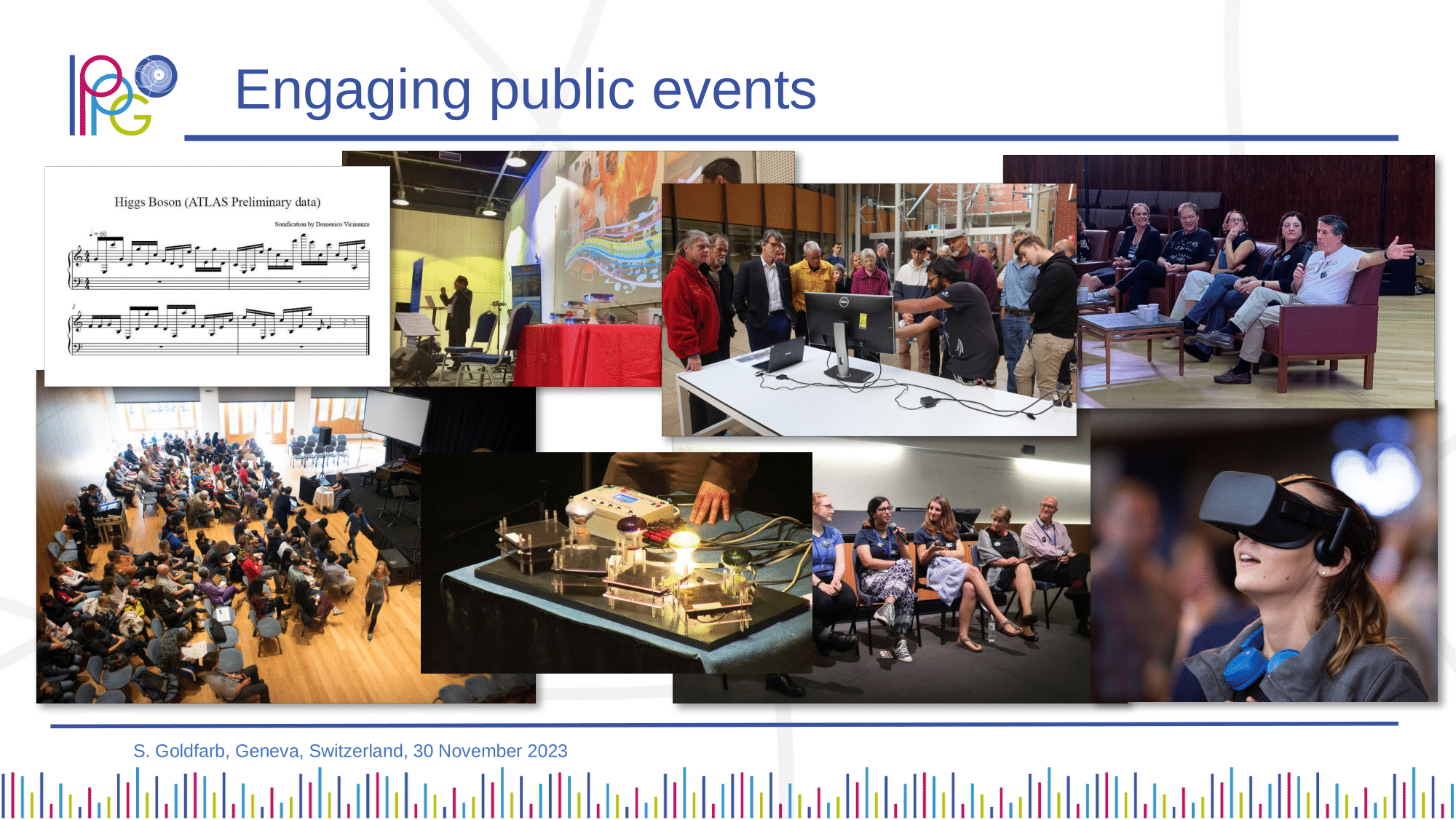
Engaging public events – The exemple of Universal Science & Music of Physics
Public events create engaging environments that make use of catalysts to capture the public’s attention and facilitate interactions with science in fun ways.
-
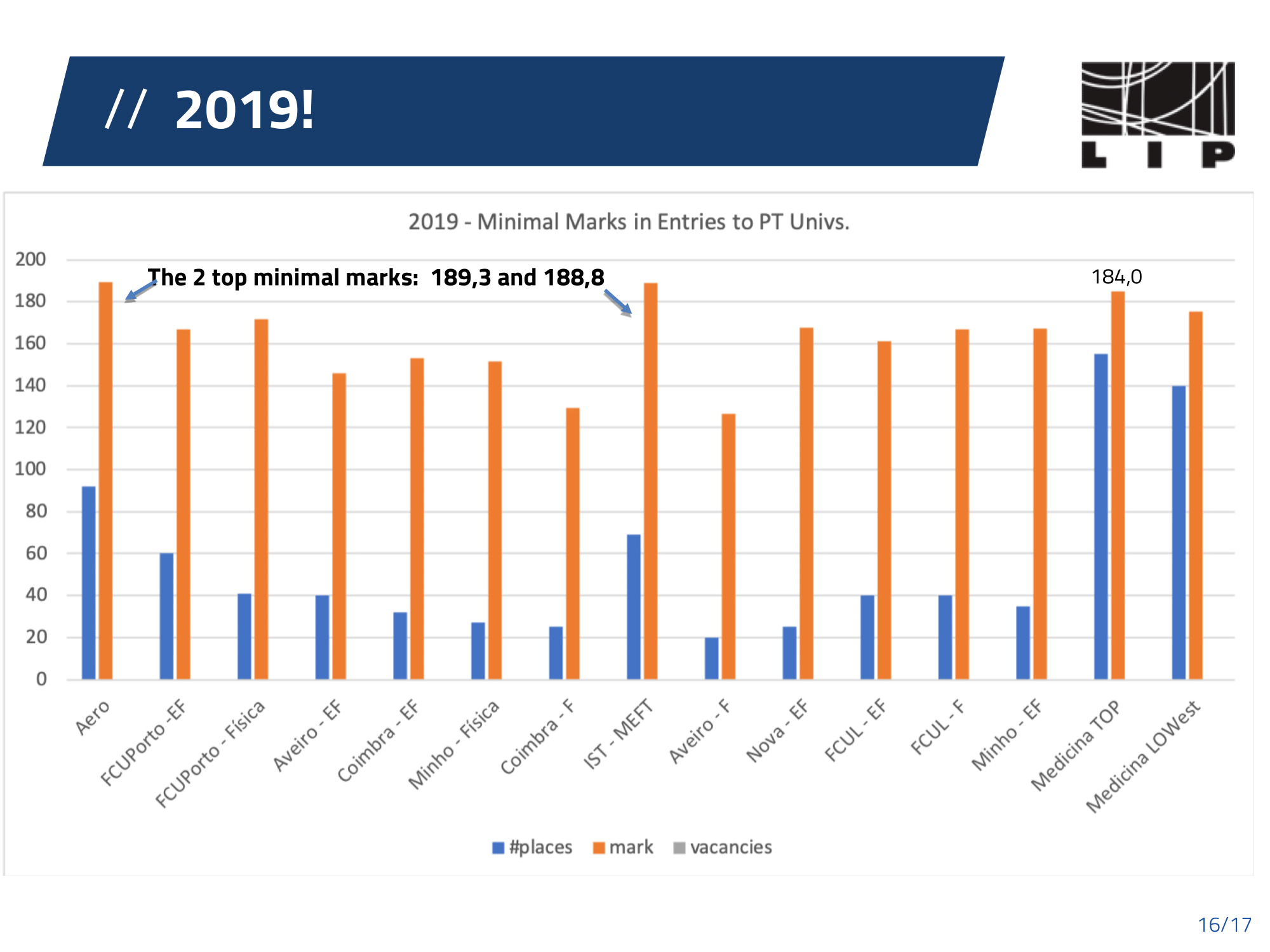
20 years evolution of Portuguese students towards physics – A pseudo-study
In 2004, LIP started to significantly strengthen the interaction with high schools through projects, internships, and visits. This was followed by the World Year of Physics and the development of the Portuguese Language Teacher Programme. This resulted in a significant boost in student interest in Physics, reflected by a higher minimum admission score for Portuguese…
-
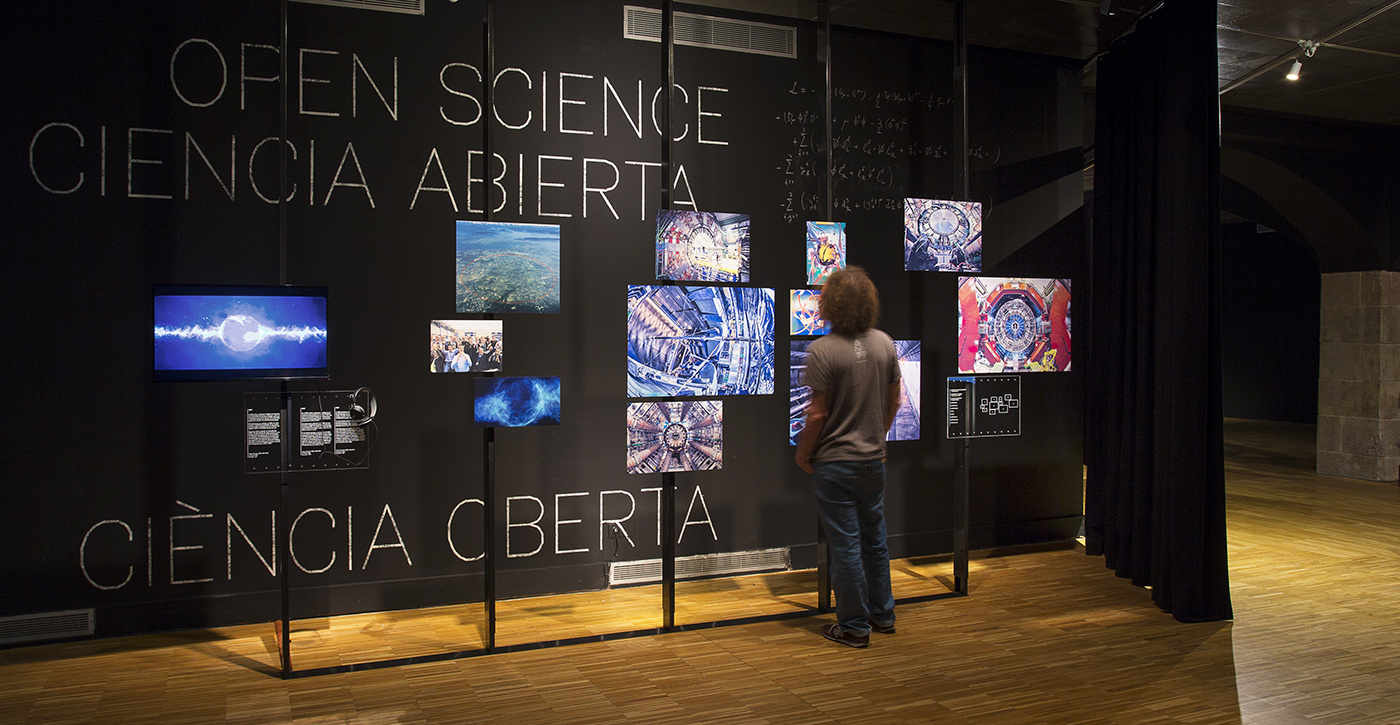
Outreach activities in an art centre – The Quàntica Exhibition at CCCB (Barcelona)
The QUANTIC art-science exhibition was held in February 2019 at the Contemporary Culture Centre of Barcelona (CCCB). The Institut de Física d’Altes Energies (IFAE) collaborated with the development of the exhibition and the satellite activities that were offered.
-
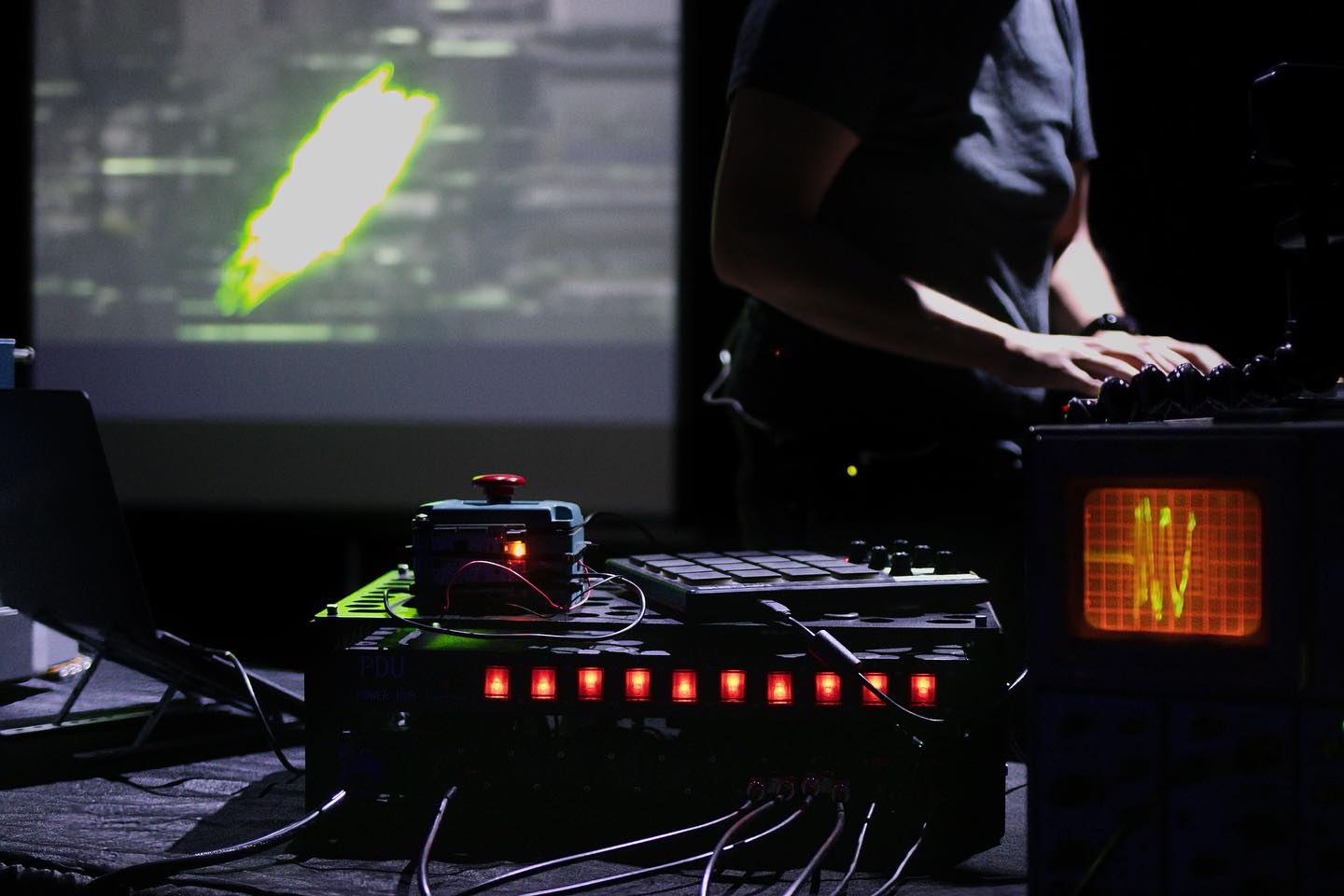
ColliderScope: Electronic(s) Music from Collider Physics
This creative project aims to reach new audiences by mixing electronic music with science. The sound waves of the music are mapped onto an oscilloscope’s X-Y mode, to create 3D shapes of the Large Hadron Collider and its experiments from the music itself. They are also participating in live events.
-
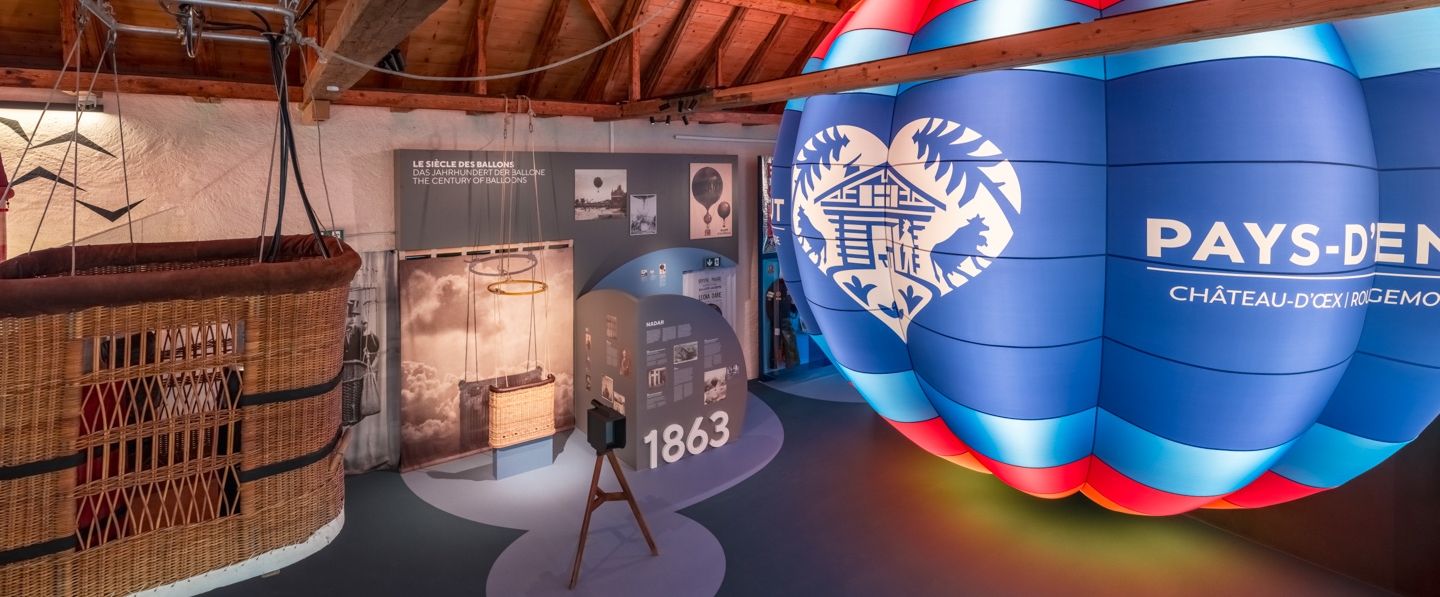
Espace Ballon – Hot Air Balloons Exhibition at Château-d’Oex (CH)
Exhibition on Hot Air Balloons connecting to the discovery of cosmic rays. It took place during the international balloon festival at Chateau-d’Oex in Swizerland.
-
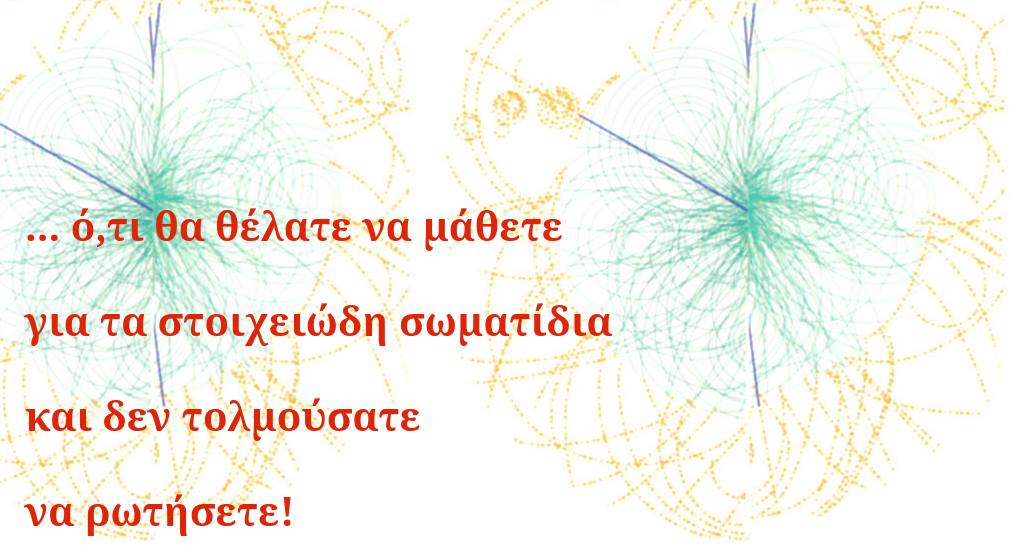
Presentation of the Greek outreach activity 2019
Grece participate in many outreach events like IMC or the Researchers’ Night events. The community is also involved in and Universe for all (a 3 weeks workshop for teachers) and the Frontiers and Reinforce projects.
-
Fermilab & QuarkNet : Serving and expanding audiences during COVID
During the COVID pandemic, Fermilab and QuarkNet websites served as hubs for different audiences, offering activities, virtual resources and guidance for parents and teachers. The structures also held online outreach events and developed social media strategies to foster engagement.
-
IMC initiatives : learning-at-home during COVID
In response to many IMC cancellations due to COVID-19, virtual masterclasses were developed. Various online tools can effectively support remote learning at home : Zoom is highly effective for live lectures, webinars, and group work, and resources can be adapted with online tally sheets, Kahoot quizzes…
-

The FRONTIERS project
The FRONTIERS project aims to bring together research and educational institutions from all over Europe through the integration of Nobel Prize winning science in the school curriculum. Educational resources are provided through inquiry-based science learning organized into five stages : orienting & asking questions, hypothesis generation & design, planning & investigation, analysis & interpretation and…